From Reactive to Proactive: Maturing Your Uptime Strategy
Most teams don’t choose to be reactive about uptime – they back into it.
Automated Website Monitoring

Most teams don’t choose to be reactive about uptime – they back into it.

On-call rotations exist to catch the 2am database failover that nobody’s watching, but badly designed ones just …

Marketing teams spend weeks planning a campaign launch – copywriting, ad creative, budget allocation, landing page design …

Scheduled jobs quietly running in the background – nightly backups, invoice generation, report emails, cache warmups – …

Every website owner who has sat on hold with a hosting provider’s support line knows the drill …

Partial outages are some of the hardest problems in web operations to catch, because the site looks …

Backup servers get set up once, tested during the initial rollout, and then quietly forgotten – until …

How to Audit Your Website Monitoring Setup in 30 Minutes Most monitoring configurations are set up once …

Every percentage point of uptime a website loses translates into measurable revenue loss, and the connection between …

When your monitoring tool detects that a site is down, the alert channel you’ve configured determines how …

Running a web agency usually means juggling dozens, sometimes hundreds, of WordPress installs across different hosts, plugin …

Agencies and freelance developers who manage client websites eventually hit the same wall: a client asks “how …

Small websites don’t get the six-figure infrastructure budgets that enterprise sites do, and that gap is exactly …

Choosing a new host is one of those decisions that often gets made on gut feeling – …

Headless and decoupled architectures split a website into separate, independently deployed pieces – a frontend built with …

Engineering teams rarely fail at uptime because the technology fails them – they fail because nobody agreed …

Running a handful of websites – a main site, a couple of landing pages, maybe a client …

How to Monitor Landing Pages During Marketing Campaigns Marketing has spent weeks building a campaign, the ad …

Why a Slow Website Is Often Worse Than a Down Website A website that loads in 8 …

A website outage post-mortem is one of the most valuable processes a technical team can run after …
The risks behind expired domain names catch more website owners off guard than almost any other operational …

Traffic spikes are one of the most common reasons websites fail at exactly the wrong moment.

Website monitoring for membership and subscription sites requires a fundamentally different approach than monitoring a simple brochure …

Slow database queries are one of the most common causes of gradual website degradation – and one …

Monitoring every minute is the difference between catching a problem in time and discovering it from an …

A website performance budget is a set of defined limits that determine how fast your site must …

Creating meaningful uptime SLAs for your customers is one of the most binding technical commitments a service …

Cold starts are one of the most misunderstood causes of intermittent slowness and apparent downtime in modern …

Payment gateway monitoring is one of the most overlooked yet business-critical aspects of e-commerce site reliability – …

When a website goes down, the speed of the response depends entirely on who gets notified and …

Website monitoring for freelancers and solo developers is a topic that often gets overlooked until something goes …

Reducing false positive alerts in website monitoring is something every operations team struggles with at some point.

TLS certificates are one of those things that stay invisible until they suddenly break everything – and …

Building customer confidence through reliable uptime is one of those goals that sounds obvious until you realize …

Monitoring login pages and authentication flows is one of the most overlooked gaps in most uptime strategies.

The hidden link between uptime and customer retention is something most businesses only discover after they’ve already …
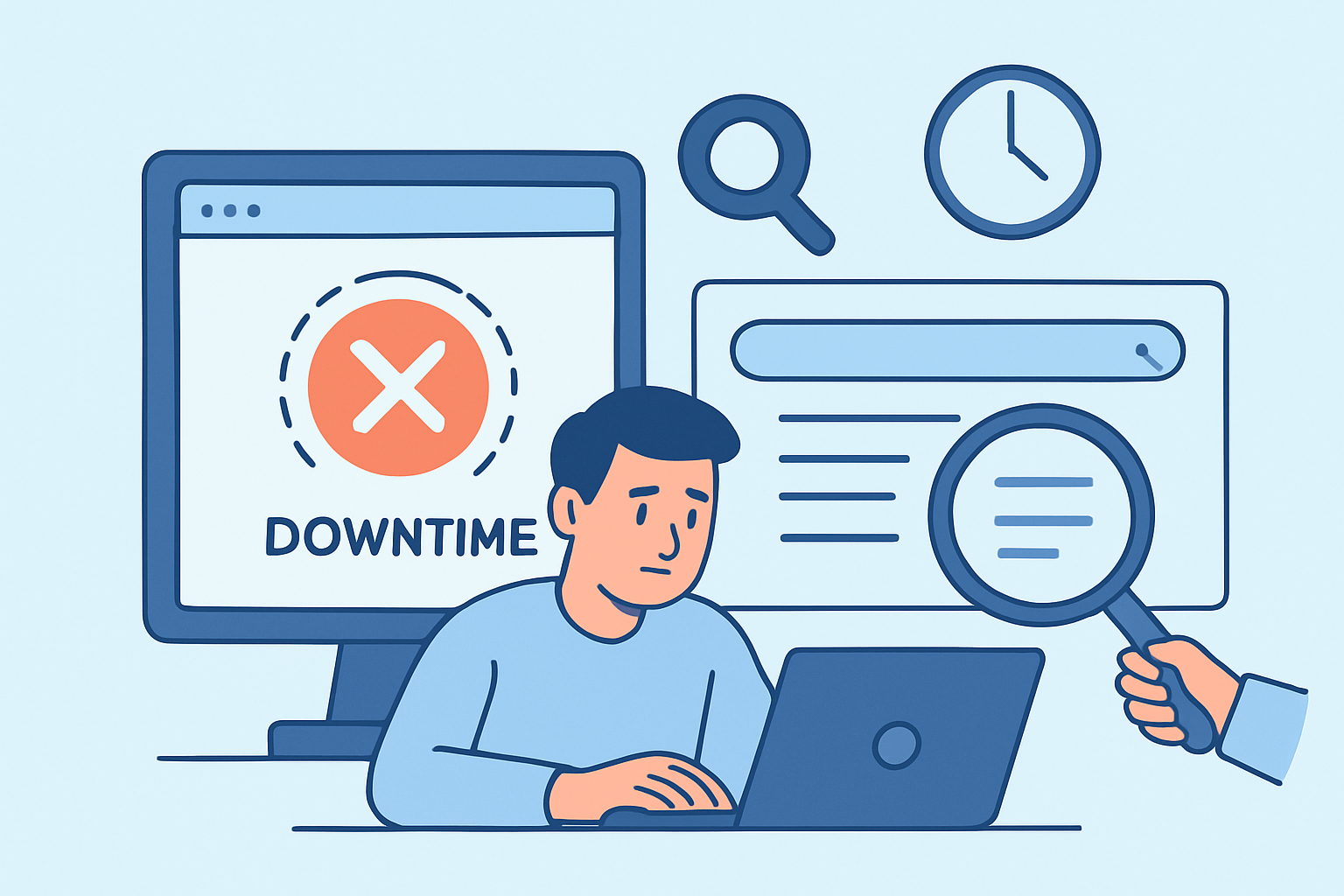
How search engines react to frequent website downtime is a question that comes up regularly among site …

Contact form monitoring is a critical but often overlooked aspect of website health that can mean the …

Nonprofit organizations face unique website monitoring challenges that require careful balancing of tight budgets with the need …

Many website owners treat uptime strategy as an afterthought, only scrambling to put monitoring in place after …

When choosing between active and passive website monitoring, understanding the difference between active and passive monitoring approaches …

Black Friday and holiday sales periods represent the most critical revenue-generating windows for online retailers, making comprehensive …

When your website goes down unexpectedly, how you handle the outage can make the difference between a …

Website response time directly impacts your business success in ways that many site owners underestimate.

Website owners face a critical challenge: ensuring their sites remain functional and performant for users across the …

Communicating the value of uptime monitoring to non-technical stakeholders requires translating technical concepts into business language that …

Website crashes don’t happen in a vacuum – they send warning signals first.

SSL monitoring safeguards your brand reputation by preventing certificate-related trust warnings that can devastate customer confidence and …
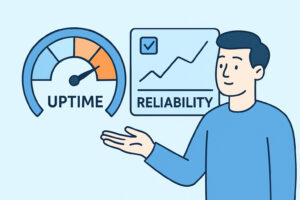
Website owners often use uptime and reliability interchangeably, but understanding the difference between uptime and reliability is …

Website downtime can destroy a small business faster than most owners realize, with costs extending far beyond …

Selecting the right uptime monitoring tool for your website is crucial for maintaining availability and protecting your …

Small business owners often assume website monitoring is a luxury they can postpone until later, but implementing …

Building a culture of reliability transforms organizations from reactive firefighters into proactive guardians of digital services, ensuring …

Website owners and IT professionals frequently misunderstand fundamental concepts about website uptime monitoring, leading to inadequate preparation …

Website owners and IT professionals constantly debate whether the return on investment of proactive website monitoring justifies …

Modern websites rarely operate in isolation – they depend on payment processors, social media widgets, analytics platforms, …

Your website might load in under a second from your office in Helsinki – and take eight …

Mobile performance directly determines whether visitors stay on your site or leave in frustration. If your website …
If you run a website – whether it’s a small business site, an online store, or a …

If you run a SaaS application, your product literally is your website. Unlike a brochure site where …

Every minute your online store is down, you’re not just losing sales – you’re watching money literally …

If you’ve ever wondered why your website suddenly shows an error page or why certain links don’t …
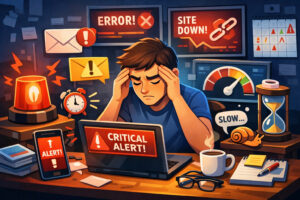
If you’re responsible for keeping a website or web application running, you’ve probably experienced that moment where …

Nothing kills business credibility faster than a website that’s offline when customers need it most. Understanding the …

You’ve set up website monitoring, configured your alerts, and told yourself “I’m covered.” But here’s the uncomfortable …

If you’re managing any kind of online presence, you’ve almost certainly seen the terms website monitoring and …

If you’re responsible for keeping a website online, you need a website monitoring checklist — not a …

If you run a website, you know that feeling in your stomach when someone tells you “your …

If you run any website or online service that customers depend on, creating a status page is …

Let’s be honest – there’s nothing worse than finding out your website has been down for hours …

If your website suddenly starts throwing errors or loading at a crawl, there’s a good chance the …

You check your website analytics one morning and notice a strange gap in traffic. Your heart sinks …

If you run a website that matters to your business, you need to track the right website …
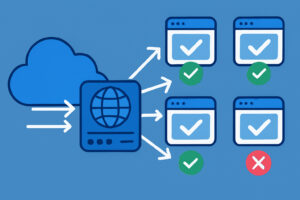
If you run a website that matters to your business, you’ve probably experienced that sinking feeling when …

Here’s a scenario most website owners have lived through at least once: you wake up, grab your …

If you run a website that matters to your business, you’ve probably had that sinking feeling at …

If you run a website that matters to your business, you’ve probably checked it yourself at some …

You just ran a successful ad campaign. Traffic is pouring in. People are adding products to their …

Imagine this. It’s Black Friday morning and your online store just went live with the biggest promotion …

If you run a website or manage any kind of online service, you’ve probably heard terms like …

If you’re running a website or online service, you probably already know how frustrating it can be …

Nobody likes to deliver bad news, but when your website or service goes down, how you communicate …
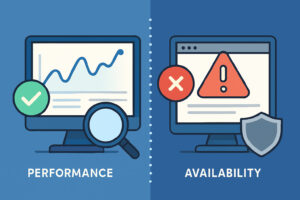
If you run a website or online service, you’ve probably heard terms like “uptime monitoring” and “performance …

If your website suddenly becomes unreachable and your server resources are maxed out, you might be experiencing …

When you’re running a digital agency, you’re juggling dozens—sometimes hundreds—of client websites.
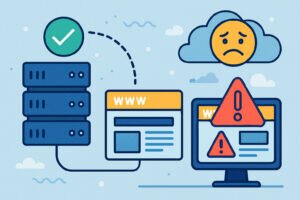
If you’ve ever experienced your website going down at the worst possible moment – maybe during a …
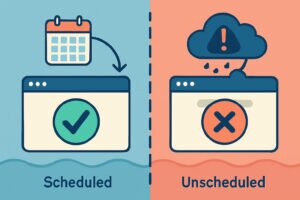
If you’ve ever been jolted awake by an alert that your website is down, you already know …

If you’re running any kind of web service today, chances are you’re not doing it alone.

If you’ve ever been woken up at 3 AM by an alert that could have waited until …

If you’ve ever woken up to discover your website has been down for hours, you know that …

When you’re running a website with multiple pages, basic uptime monitoring isn’t enough.

When shopping for website hosting or monitoring services, you’ve probably seen providers proudly advertising “99.9% uptime guarantee” …
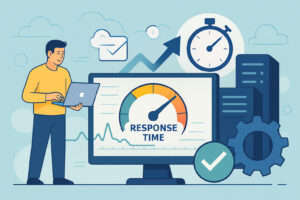
If you’ve ever clicked on a website and waited several seconds for something—anything—to appear on screen, you …

If you’re monitoring your website’s uptime, you’re already ahead of the game.
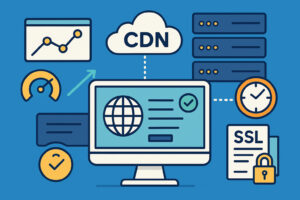
If you’ve ever experienced your website slowing to a crawl during peak traffic or watched helplessly as …

If you’re running a WordPress site, you already know that downtime isn’t just an inconvenience — it’s …

If you’re running a website or online service, you’re going to face incidents eventually.
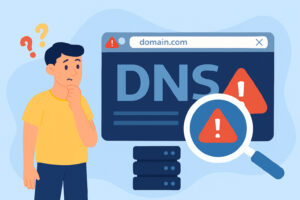
You type in your domain name, hit enter, and… nothing. Your website is gone. Panic sets in.
You’re probably thinking five minutes isn’t a big deal. Your website goes down, you fix it, life …

If you run a website, you’ve probably heard people talk about response time.